Dear Chuck,
I’m in my 40s and have put off saving for retirement. My current job offers an employer-matched 401(k), and I’ve been advised that it’s foolish not to participate. I’m afraid to make automatic deductions in case money gets too tight. Should I do it anyway?
Contribute to My 401(k)
Dear Contribute to my 401(k),
It would certainly be helpful to understand the full picture of your financial situation. While I hesitate to give blanket financial advice, it is hard to go wrong using the benefits of an employer-matched retirement account! There are a few precautions that I will get to below.
Contributing to a retirement account is a privilege for us—one that our forefathers could not have imagined. Saving for the future is one of the most important financial habits, and it is taught by Solomon in the book of Proverbs:
“The wise man saves for the future, but the foolish man spends whatever he gets.”
Proverbs 21:20 TLB
A Few Precautions
Before socking away money for the long term, be sure two things are in place:
With these two financial goals in place, you are able to eliminate the fear you expressed about “money getting tight.” These two achievements establish the freedom to put money away for the long term without the worry of having to pay a penalty for early withdrawal.
First, Look at the Ant
Learning to save for short- and long-term needs does not happen by accident! It happens through intentional choices made day after day after day. Like any other habit, it is built over time through consistency and sacrifice. So how do you develop the habit?
“Go to the ant, you sluggard; consider its ways and be wise! It has no commander, no overseer or ruler, yet it stores its provisions in summer and gathers its food at harvest.”
Proverbs 6:6–8 NIV
This verse is a bit comical if you stop to think about it; the message should be clear that even though an ant is a tiny creature with a nearly microscopic-sized brain, it is an example of great wisdom! Why? Because it stores provisions for the future. The point is that we should be just as wise as one with such a tiny brain!
Next, Get Going!
The sooner you start using your 401(k), the better—no matter how small. Just start. Begin with something manageable, even if it’s just a small percentage of your income. With consistency, you will develop the habit and probably never miss the money. Saving becomes an extension of how you live: sacrificing current wants for future needs.
Automate your savings. Setting up contributions to occur automatically removes the temptation to spend what should be saved. This is a very important step because when the money is not available to spend, you learn to do without. The structure strengthens the discipline. For some, it helps to consider the money locked away, never to be touched until retirement age—but also to be celebrated when you achieve a milestone goal.
Unite saving with your purpose. Retirement saving is preparing you—and if you are married, your spouse—with the freedom to live, give, and serve without financial pressure later in life. Connecting the importance of saving to a bigger life purpose will keep you motivated to stay the course and allow the freedom to obey God’s call on your life.
Saving Requires Sacrifice
Saving consistently, for the majority of people, means having to make sacrifices. Here are a few suggestions:
Choose to be grateful and content by protecting your mind and taking your thoughts captive. Adopt the mindset of choosing long-term peace over short-term pleasure. Every dollar you set aside today builds margin for tomorrow. Over time, the compound interest earned on small, faithful decisions leads to freedom, stability, and the ability to finish well. Just as there is a cost to saving, there’s a greater cost to not saving.

Opting Out Has Ramifications
Pausing automatic deductions to retirement accounts is costly. It should be a last-resort decision. After exhausting all other options, you may have to temporarily halt contributions. Consider the pause a life preserver—only use this option to make it safely to shore. Passing on an employer-matched 401(k) means losing free money and the tax benefits that come with it.
Valid reasons to pause:
Ill-advised reasons to pause:
Encourage Your Children to Save
Once you get your plan in place, you are now setting a great example for others in your life. If you have children, I encourage you to teach them to start now. It helps to reward their efforts. Consider matching their deposits up to a certain dollar amount. Build interest and excitement by watching it compound over time.
Our children were taught to allocate all income they received from gifts or odd jobs into three categories: Giving, Saving, and Spending. Today, I would add a fourth: Investing. The younger they are, the higher the percentage that is kept in savings. The older they get, the more of their income they can spend, but they should always save 10–20%.
Small, Consistent Steps = Big Impact
Remember: It is better to sacrifice comfort today for security tomorrow. Consistency counts. Just get started, and don’t look back. If consumer debt is eating up your ability to put money away, get help to eliminate it as quickly as possible while also saving for the short and long term.
As an additional resource, read Kiplinger: “This is What You’re Really Losing if You Cut Back on Your 401(k) Contributions.”
If credit card debt is holding you back from saving, reach out to Christian Credit Counselors. They are a trusted partner of Crown and are able to help consolidate debt and get one on the road to financial freedom.
This article was originally published on The Christian Post on April 24 2026.
Subscribe for Weekly Updates
"*" indicates required fields
Search
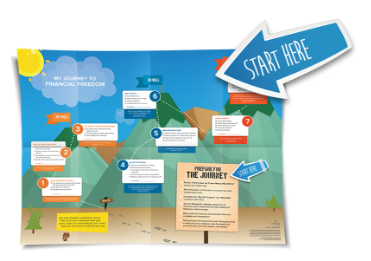
Start with the Money Map, your guide to living in freedom with your finances.
Christian Credit Counselors

Is credit card debt causing you stress and strain? Christian Credit Counselors would like to help!